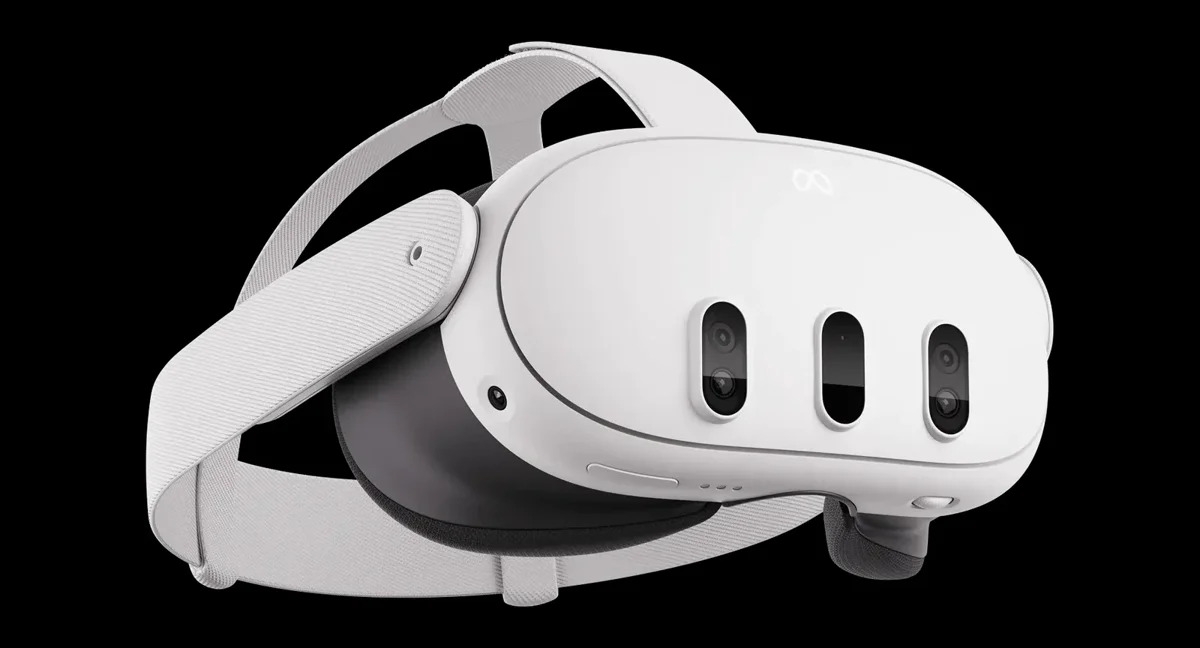

VCA™ · Virtual Commercial Address
VCA turns e-commerce from scrolling into strolling.

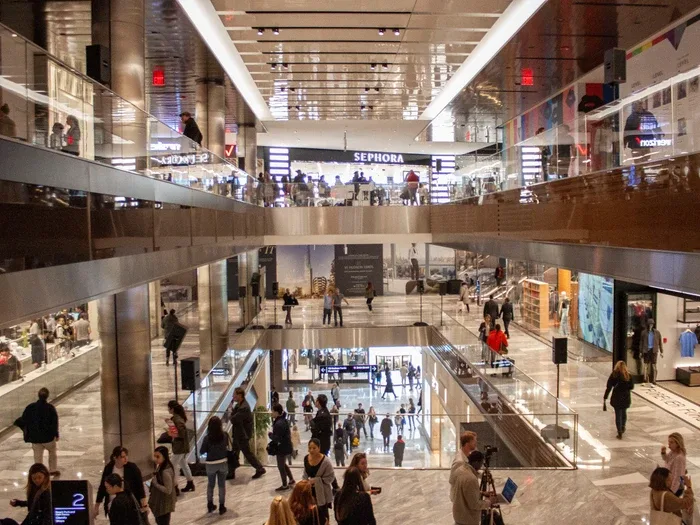
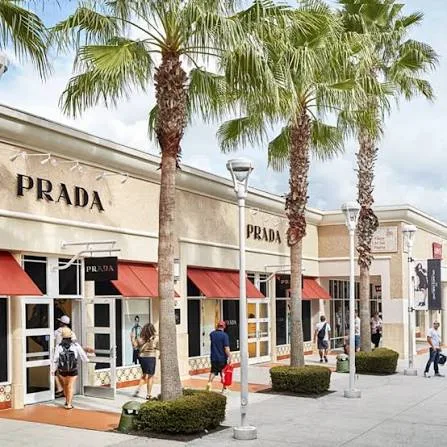

VCA — Virtual Commercial Address — brings back what e-commerce has lost: the vibe of a shopping district, the closeness of stores, discovery, serendipity, and even nostalgia. Instead of searching for exactly what you already know you want, you can virtually arrive at a real commercial district or shopping centre, wander through it, notice stores you weren’t looking for, step inside, discover products, and buy — much as you would in the physical world.
VCA is not another virtual-store product; individual stores are simply destinations within a much larger spatial commerce network. We’re putting place, proximity and accidental discovery back into e-commerce — creating the bridge between physical commerce and e-commerce.
The bridge between physical commerce and e-commerce.
E-commerce made shopping extraordinarily efficient. But in doing so, it removed something fundamental.
In the physical world, you don’t always begin shopping by knowing exactly what you want. You go somewhere.
That is serendipity, and today’s e-commerce largely eliminated it.
VCA adds the place back to e-commerce —
along with its feeling, its vibe, its nostalgia, its serendipity, and the incidental shopping that comes with simply being there.
- Search
- Results
- Product Page
- Checkout
- Arrive
- Walk
- Explore
- Discover
- Enter
- Shop
- Buy
A shopper could virtually arrive at a shopping district, move through its streets or corridors, enter stores, see merchandise in context, receive product and pricing information as they approach items, and purchase them — while preserving the geography, proximity and character of the real commercial environment.
A store isn’t an isolated 3D website.
It exists beside another store, which exists beside another store, inside a shopping centre, market or commercial district.
That relationship between places is part of the product.
Why now?
360° imaging, Gaussian splatting, browser-based 3D rendering, modern mapping, cloud delivery and AI are reaching a point where real commercial environments can be digitized and made interactive without constructing traditional game-like virtual worlds from scratch.
VCA provides the layer that connects those environments into commerce.
The vision
Today every business — down to each individual branch of a chain store — is expected to have a physical address, a telephone number and a web presence. We believe that businesses located in a community, district or shopping centre with a vibe of its own will soon have one more identifier: a Virtual Commercial Address (VCA).
A consumer searching for a business will gradually start noticing a new identifier in the Google search snippet:
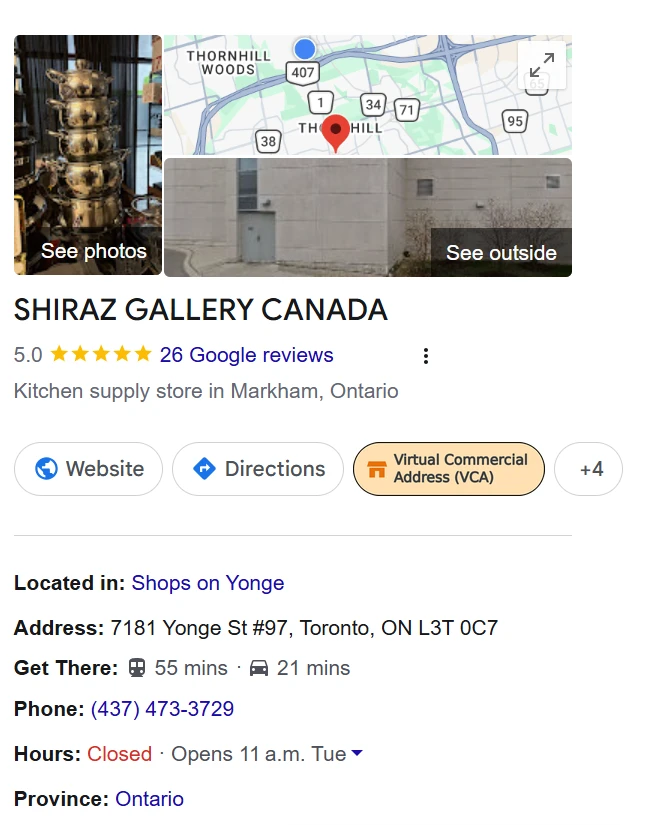
Clicking the VCA doesn’t merely open another webpage.
It takes you there.
And once places become connected, the Internet gains something e-commerce has never really had:
We’re not trying to make another way to look at products online.
We’re trying to put the experience of going shopping back into e-commerce.